How it works.
Four stages. Typically four to eight weeks from agreement to running hardware, depending on availability and facility capacity. I will tell you at the first stage whether it is worth going to the second.
- 01

Model
Scenarios run against your capital, timeline and entity before anything is bought.
- 02

Source
The vendor invoices you directly. You take title. I take no spread.
- 03
Deploy
You sign with the facility. Machines are racked, configured and brought online.
- 04

Report
Bitcoin lands in your wallet. A statement goes to you and your accountant.
Stage by stage.
01. Model
We start with your situation rather than a product. Capital available, timeline, entity structure, and how much operational risk you actually want. I run the deployment scenarios across machine choice, unit count and hosting rate, and I show you what happens to each one when difficulty rises or the price falls. You get the comparison and the reasoning. Sometimes the conclusion is a smaller deployment than you had in mind, and sometimes it is that you should not do this.
02. Source
Once the specification is settled I negotiate the hardware and the vendor invoices your business directly at that price. You pay the vendor. I never take title, never hold the funds, and take no spread on the equipment. Units are recorded by serial against your deployment.
03. Deploy
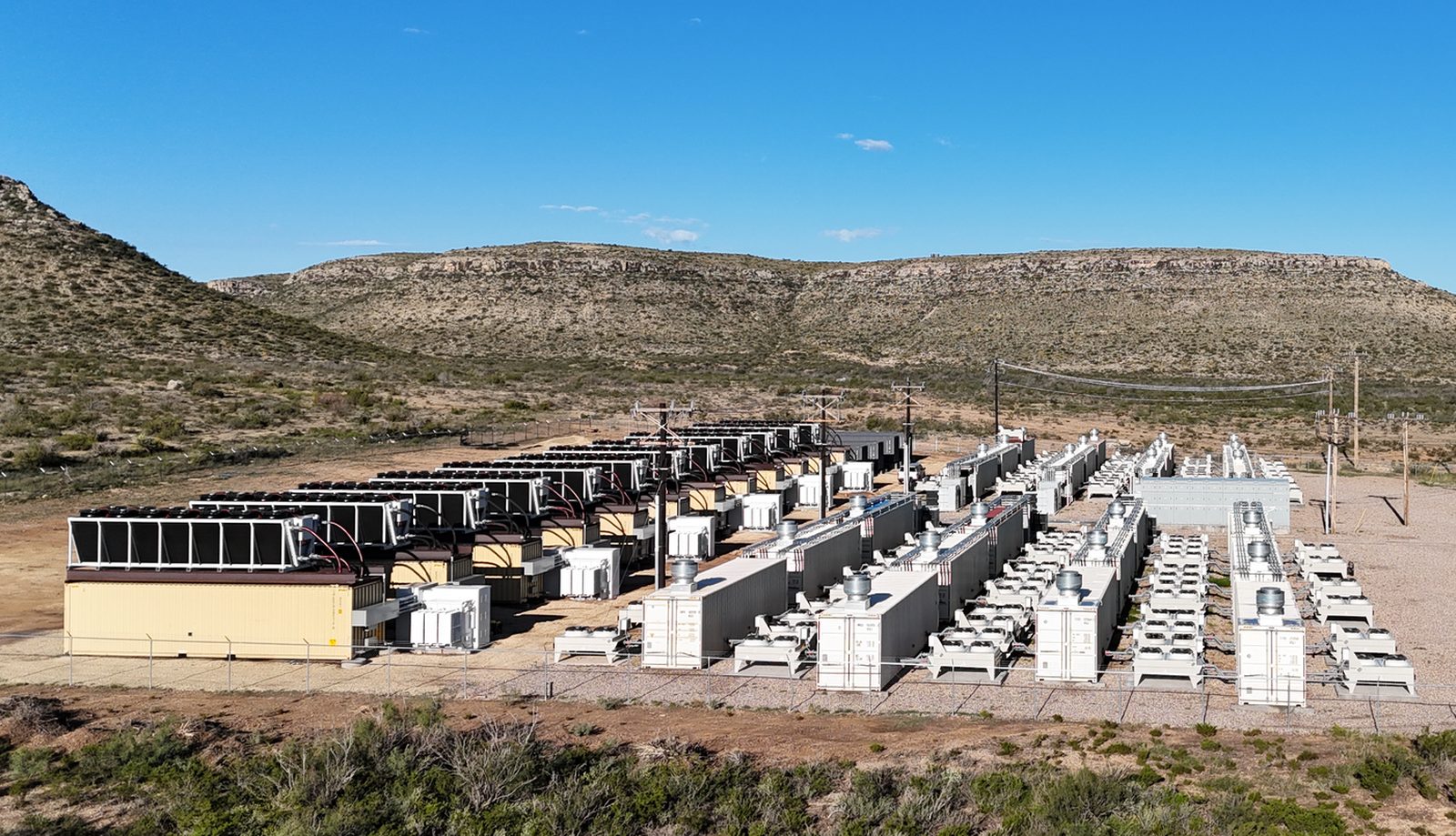
You sign the hosting agreement directly with the facility. I negotiate the terms on your behalf and I will walk you through what you are signing, including the term length, the rate change provisions and the security interest the facility takes over the equipment. Where the deployment is large enough to sit across more than one host, that is arranged here. Machines are then racked, configured, pointed at a pool account in your name, and brought online.
04. Report
Production goes from the pool to your wallet. My 3% is split at the pool to a separate address, so there is no invoice and no payment between us. Each month you get one statement covering production, hashrate, uptime by machine and hosting cost across every site you are on, in a form your accountant can work from. Where a host is underdelivering against what it committed to, that is in the report and I am already raising it.
One point of contact,
however many hosts you end up on.
Most deployments of any size should not sit with a single host. Spreading machines across separate hosting companies on separate electrical grids is how you stop one operator’s failure, or one grid event, taking your whole position offline at once.
That protection has a cost, and the cost is complexity. Several contracts on several terms, different rate structures, different notice periods, different reporting formats and different people to chase when something is wrong. Managing that is the work, and it is the part clients hand over.
Single point of contact
You deal with me. I deal with the hosts, the vendors and the pool. You should not be learning the escalation path at three different facilities.
Uptime held to what was agreed
I track performance against what each host committed to, not against what they report. When a site is underdelivering I am the one raising it, with the contract in front of me, and I tell you it is happening rather than letting you find it in a thin month.
Repairs are the facility’s job, not mine
I do not put hands on machines. The site does that. My job is making sure it actually happens, in a sensible timeframe, and that spares are where they should be before a failure rather than after it.
One consolidated report
Production, hashrate, uptime by machine and hosting cost, pulled together across every site into a single monthly statement rather than several you have to reconcile.
Contract and renewal management
Terms, rate change notices and their short election windows tracked per site. A fifteen day window is easy to miss across one contract and very easy to miss across three.
What stays yours the whole way through.
| Item | Basis | Whose | |
|---|---|---|---|
| The hardware | Vendor invoices your business directly | Yours | |
| The hosting agreements | Signed by you, negotiated by me | Yours | |
| The pool account | Registered in your name | Yours | |
| The wallet | Production is paid into it directly | Yours | |
| The decision | I model the options. You choose which one to run. | Yours | |
| Deployment strategy | Machine choice, sizing and host mix, modelled to your situation | Mine | |
| Vendor and host management | Single point of contact across every site | Mine | |
| Monitoring and reporting | Uptime tracked and held to the agreement | Mine |
There is no point in this arrangement where your money, your machines or your Bitcoin sit in my name. That is deliberate, and it is worth checking whether any operator you talk to can say the same thing.
Find out whether this fits.
Thirty minutes on your capital, your timeline and your entity. If the numbers do not work I will say so on the call.
Book a discovery call No cost. No obligation. No follow-up sequence.