Own the machines.
Own the Bitcoin.
Your business buys the hardware and holds title from day one. The Bitcoin it produces goes straight to your wallet. I never take custody of the machines, the coin, or your money.
Book a discovery call 30 minutes. No cost. I will tell you if it does not fit.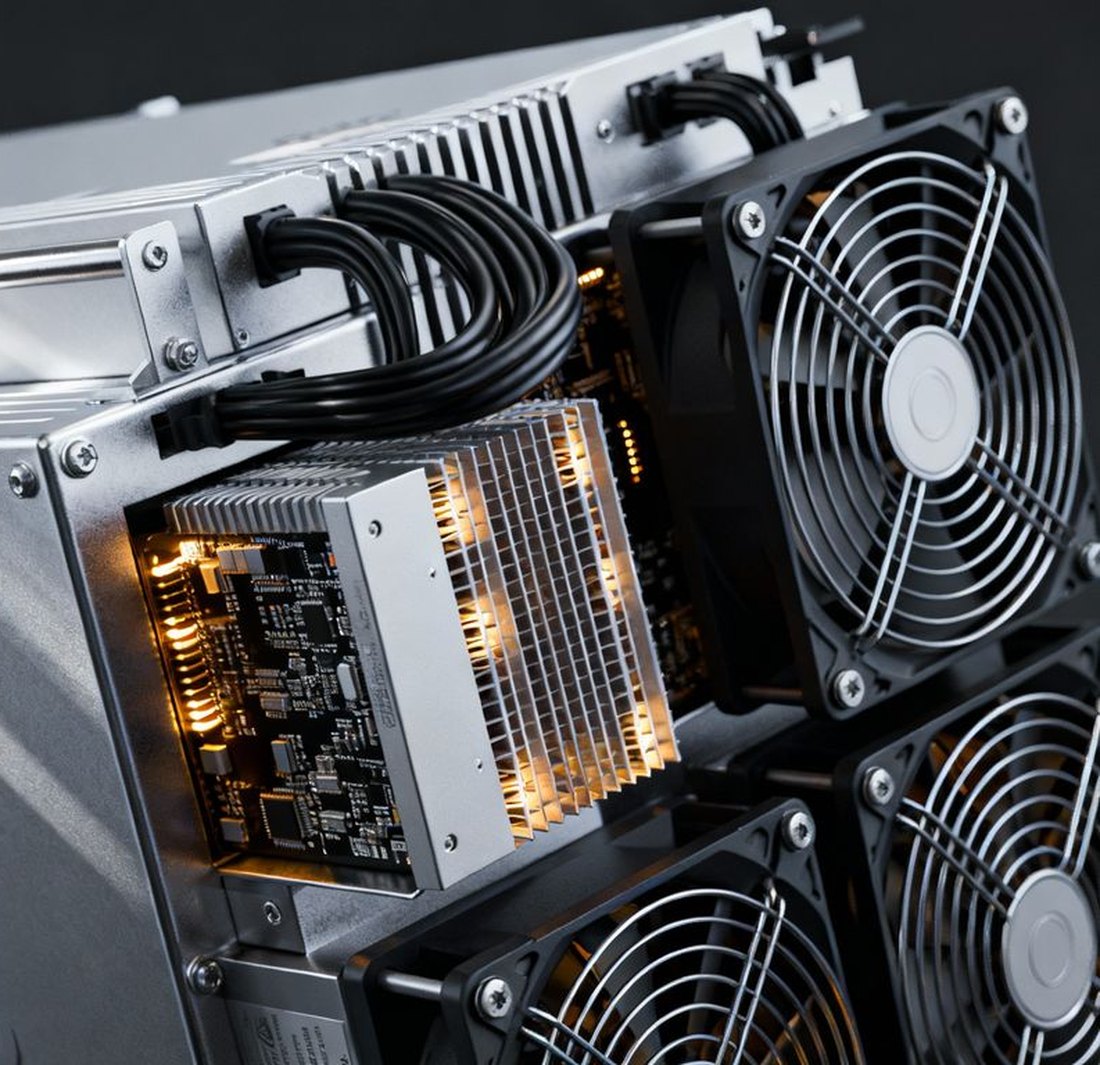
Your host gets paid for the power you use.
I get paid for the Bitcoin you produce.
Read that twice, because it decides whose advice you can trust about how many machines to buy and which ones.
How a host earns
On kilowatt-hours billed and rack space filled. More machines and thirstier machines both pay them more. Efficiency does not.
How a reseller earns
On the spread between what hardware costs and what you pay. Whatever is in stock is what gets recommended.
How I earn
A 3% share of what the machines actually produce, split at the pool. Wasted watts come out of my share as well as yours.
What that changes
I have no reason to sell you a larger deployment than the economics support, and every reason to argue you down to the right one.
The machine you pick decides whether this works.
Two machines can advertise similar hashrate and have completely different futures, because the number that matters is watts per terahash. It sets what you pay to run the machine, and it sets how far difficulty can climb before the machine stops being worth switching on.
| Generation | Position | Efficiency | Unit |
|---|---|---|---|
| Current hydro | Best available efficiency, highest capital cost | 11 | J/TH |
| Current air | The mainstream choice for most deployments | 15 | J/TH |
| Previous generation | Cheap to buy, often pushed as a bargain | 21 | J/TH |
| Two generations back | Frequently resold to new entrants | 29 | J/TH |
A machine at 29 J/TH burns nearly three times the power of one at 11 J/TH for the same work. At a fixed hosting rate that difference lands entirely on your bill, and it decides which machines survive the next difficulty increase and which get switched off. Buying the cheap machine is how a deployment that looked fine on paper stops covering its own power.
So I model it before you buy anything.
I run the deployment scenarios against your actual situation: your capital, your timeline, your entity, your appetite for risk. Machine choice, unit count, hosting rate, and what happens to each scenario when difficulty rises or the price falls. You get the comparison and the reasoning, not a recommendation you have to take on faith. Sometimes the answer is a smaller deployment than you came in expecting. Sometimes it is that you should not do this at all.
You own it. I support it.
You own
The hardware, invoiced to your business by the vendor. The hosting agreement, signed by you. The pool account and the wallet, in your name.
I supply
The modelling before you spend. Sourcing at cost. Host negotiation across separate companies and grids. Uptime tracked and held to the agreement. One monthly report.
I never
Take title to your hardware. Hold your money. Receive or forward your Bitcoin. Sell you machines at a markup. Nothing of yours sits in my name.
How I am paid
A 3% share of production, split at the pool to a separate address. Never invoiced. If the machines produce nothing, I am paid nothing.
From decision to running hardware.
Four stages. I will tell you at the first one whether it is worth continuing.
- 01

Model
I run the scenarios against your situation and we pick the machine the economics support.
- 02
Source
The vendor invoices your business directly. You take title. I take no spread.
- 03
Deploy
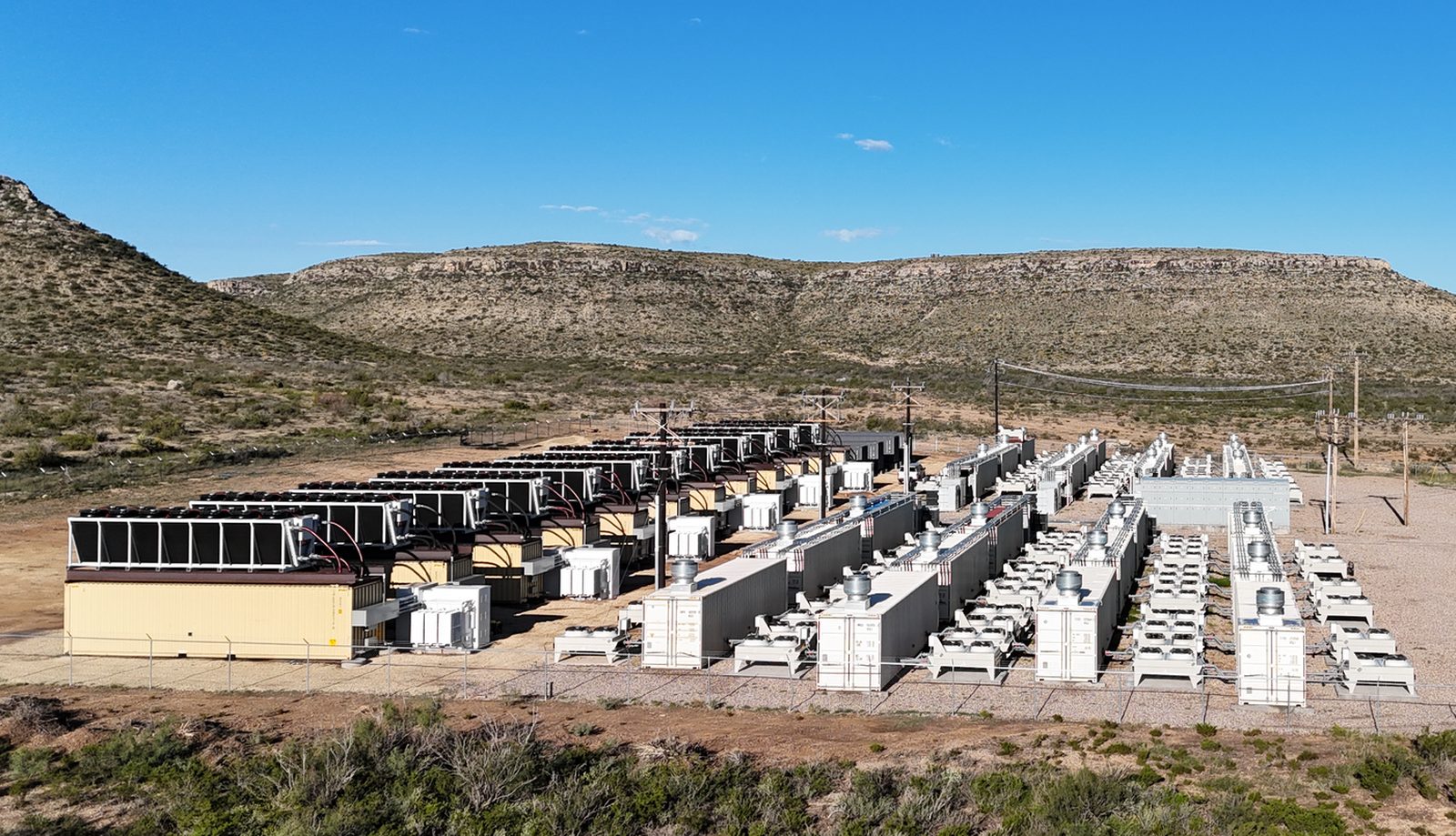
You sign with the facility. Machines are racked, configured and brought online.
- 04

Report
Bitcoin lands in your wallet. A monthly statement goes to you and your accountant.
The hardware.
Manufacturer specifications for the current generation unit. These are ratings for the machine, not a forecast of what any deployment will produce.
| Specification | Basis | Rating | Unit |
|---|---|---|---|
| Hashrate | Manufacturer rating | 234 | TH/s |
| Power draw | At rated hashrate | 3,510 | W |
| Efficiency | Watts per terahash | 15 | J/TH |
| Minimum deployment | Occasionally flexible. Ask. | 10 | units |
| Management fee | Share of production, split at the pool | 3 | % |
| Setup fee | There is not one | 0 | $ |
| Hardware markup | Vendor invoices you at cost | 0 | % |
Hosting is separate and paid by you directly to the facility. It is a bundled hosting service fee, quoted in dollars per kilowatt-hour as a billing convenience. It is not a resale of electricity, and I do not mark it up or take a share of it.
The parts most operators leave off the website.
If any of this changes your mind, it should have changed your mind before you wired money, not after.
Hosting is a term commitment
Facility agreements typically run about three years per unit with a termination fee. No lock-in applies to my fee, which you can end at any time. It does not apply to the facility contract you sign.
The rate can move
Facilities generally reserve the right to raise the rate mid-term on around thirty days’ notice. Your protection is a no-fee termination right with a short election window, often about fifteen days. Miss it and the new rate is deemed accepted.
Your machines are collateral
Facilities commonly take a continuing security interest in the equipment and its proceeds, including the Bitcoin it mines, against your hosting bill. They may file financing statements without your signature.
Production is not promised
Output falls as network difficulty rises. At current prices a deployment can produce less than its own hosting costs. I will not publish a production forecast, and you should be sceptical of anyone who does.
The tax result is not mine to state
Section 179 is capped at your taxable income from active business. Bonus depreciation behaves differently. The passive activity rules may suspend a deduction entirely depending on your involvement. Your CPA determines all of it, not me and not this website.
Hardware has a life
These machines run roughly three to five years before newer hardware outcompetes them. At lower Bitcoin prices they stop being economic sooner, and the rational move is to switch them off or sell them.
Find out whether this fits.
Thirty minutes on your capital, your timeline and your entity. If the numbers do not work I will say so on the call.
Book a discovery call No cost. No obligation. No follow-up sequence.